Interesting building located in the Bilboa in the Basque region of spain. Potential imagery for inside the supplement, I want to find images that show the reader what the Basque language is about and what there culture is like.
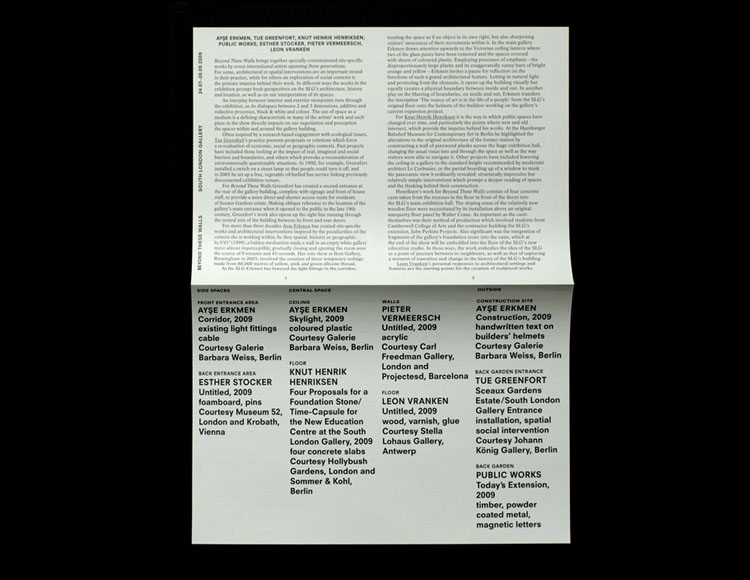
Similar to the kind of format that I am after. I need to think about how the information graphic pullout will fit into the supplement. If the different maps were to be overlayed on each other would it still be that affective if it was folded? This was a booklet for Fontsmith FS Blake designed by Spin.
Ancestral language of the Basque people who inhabit the Basque country which is situated in north eastern Spain and south western France.
Basque has no official standing in the Northern Basque Country of France and French citizens are barred from officially using Basque in a French court of law. However, the use of Basque by Spanish nationals in French courts is allowed (with translation), as Basque is officially recognized on the other side of the border.
The Scottish language (Gàidhlig) Pronounced "Gah-lick", often commonly called just Gaelic in English is a sister language of Irish and Manx; all three are Goidelic languages and part of the Celtic language family. It is also related to the Welsh language, Cornish language and the Breton language, these three are Brittonic or Brythonic languages.
Gathering inspiration from Stephen Fry's Planet word Tv program on the BBC it got me thinking how I can refine my concept to come up with something more interesting than just adopting a word and paying money that will go to charity. Planet Word
On The Guardian the newspaper published a list of all the endangered and extinct languages on the planet. Other articles that I am going to include that I can start with as good references are Wikipedia and National Geographic
List from Wikipedia which categorises the countries within there specific continents. Originally I had the idea of choosing a country from each continent and raising awareness for people but from my mini crit with Ben and Aaron they suggested just choosing one and really focusing on what is in that language.
Something important that I got from look into this is were there are 473 languages that are endangered of being extinct.
While I was looking at endangered languages I followed a link to phonetics and the international language of phonetics. Some of the characters just for this look great.
Some very interesting and unusual characters that I have never seen before and would be good to explore.
Build over ice:
This is the simplest method of making a cocktail, it simply involves placing ice in the glass & pouring the ingredients over the top. It can also help create colourful effects.
Blender:
The hardest thing to do well when blending cocktails is to correctly measure the ice. The beginners method to get the correct amount and limit wastage until you become confident with the amount of ice that should go into the blender is to fill your glass with ice, then pour the ice from the glass into the blender.
When pouring ingredients from a blender gently tap the side of the blender continuously this firstly gives you consistency & a smooth transition into the glass.
If pouring 2 drinks from the 1 blend only fill the glasses ½ way to ensure consistency.
Stir:
Used most commonly in cocktails containing gin to avoid bruising the gin. This is my most elegant form of cocktail mixology. The reason for stirring a cocktail is to get an evenly balanced flavour. It is also used commonly as a way of mixing flavours when the drink contains a fizzy substance, example Champagne or soft drink.
In cocktails such as the Old fashion the goal is to slowly infuse the aromatic flavour of bitters with Bourbon, water melted from ice & sugar.
Normally stirred cocktails will be strained. Double straining is also recommended for martini style cocktails.
Shake and Strain:
The goal of shaking a cocktail is similar to that of stirring a cocktail except is much more effective when using liqueurs. A Liqueur is much heavier in density than a spirit due to their high sugar content.
Shaking a cocktail is also a groovy look for any stylish bar. The technique is simple, pour ingredients over ice into the mixing glass, put metal tin over the top and shake. Always shake with glass pointed up & hand firmly over the mixing glass.
Muddle Shakeand Strain: Over the last 5 years cocktail muddling has become the most popular way of mixing cocktails by mixologists in all the world trendy bar scenes. The reason is that it extracts the full flavour of fresh fruit, herbs & spices. Allowing Cocktails to take on new culinary styles.
To Muddle a cocktail ingredients is simply to crush the ingredients to extract their flavour. In many fruits such as limes there are huge amounts of flavour in the fruits skin that is essential to the flavour of drinks such as the Mojito & Caipiroska.
Although most drinks & muddles with sugar it is not essential.
The reason that we then shake & strain the cocktail is to remove all the excess pieces of fruit & herbs as it is their wonderful flavours that we aim to acquire. It is also very important when making martini style cocktails to double strain.
Throwing:
This is the latest London bar trend. It is normally used with Martini’s to aerate the drink enhancing the flavour of the Gin.
The technique simply involves long pouring the ingredients of a cocktail between two mixing glasses. The same technique used in India to make chai tea.
To separate tap the top of the metal tin firmly on flat side, put hawthorn strainer on top of tin and strain into glass.
Sundries 210 × 297 mm 20 pages 50 numbered copies Risograph First Edition 2011. This is a nice little magazine using various duotone images in red and green.
Very interesting, functional business cards designed by Katharina Hölzl for jazz duo Ritornell. The cards are laser milled to play back music when ran through a specially designed music box.
Ritornell for Musicbox from Ritornell on Vimeo.
Beautifully designed functional business cards designed by Katharina Hölzl for jazz duo Ritornell. The laser-milled cards play back music when ran through a specially designed music box. Very clever take on the idea of a calling card.
Shin, Dokho from South Korea. Interesting uses of typography and layout on various formats, below is the a double sided poster which at first look like they are unrelated but looking closer at them the black shapes adhere to the letter on the reverse side.